
Featured Adventure
First descents & snow leopards – pioneering in India's Himalaya
James Morland •
There are ski trips, and then there are adventures that become part of you. This was very much the latter.
In many ways, this journey embodied the very heart of an Elemental Adventure — the kind of trip where the skiing is only part of the story. The things that make it unforgettable are the things money can't buy: authenticity, serendipity, extraordinary people, remote places, shared experiences and the feeling that, for a brief moment, you have stepped completely outside normal life.
For me, India has always had a particularly strong pull. All four of my grandparents lived there. Both my parents were born there and for reasons I have never quite been able to explain, my son eats an unusually large amount of basmati rice.
A connection that goes back a long way
I first heli-skied in India in 2002. We arrived in Manali in a small fleet of Ambassador cars, exhausted and wide-eyed after nine hours of chaos, prayer and a succession of near-death experiences. Not for the faint hearted.
That first experience stayed with me. It was some of the best ski terrain I had ever seen and combining it with the rich vibrant culture of India was next level. We skied deep powder from high in the alpine right down into the down into the towering forests above Manali. We were all blown away.
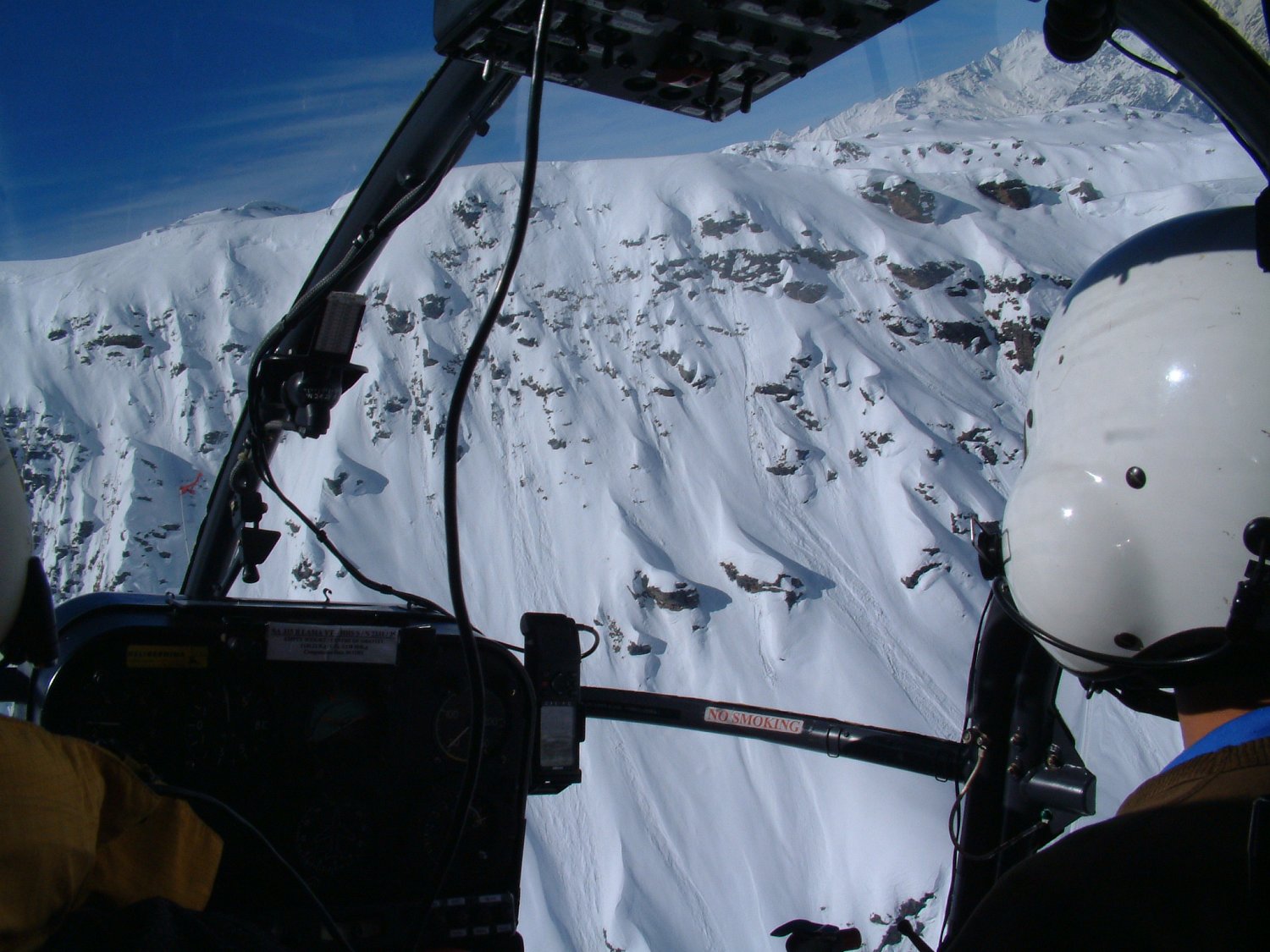
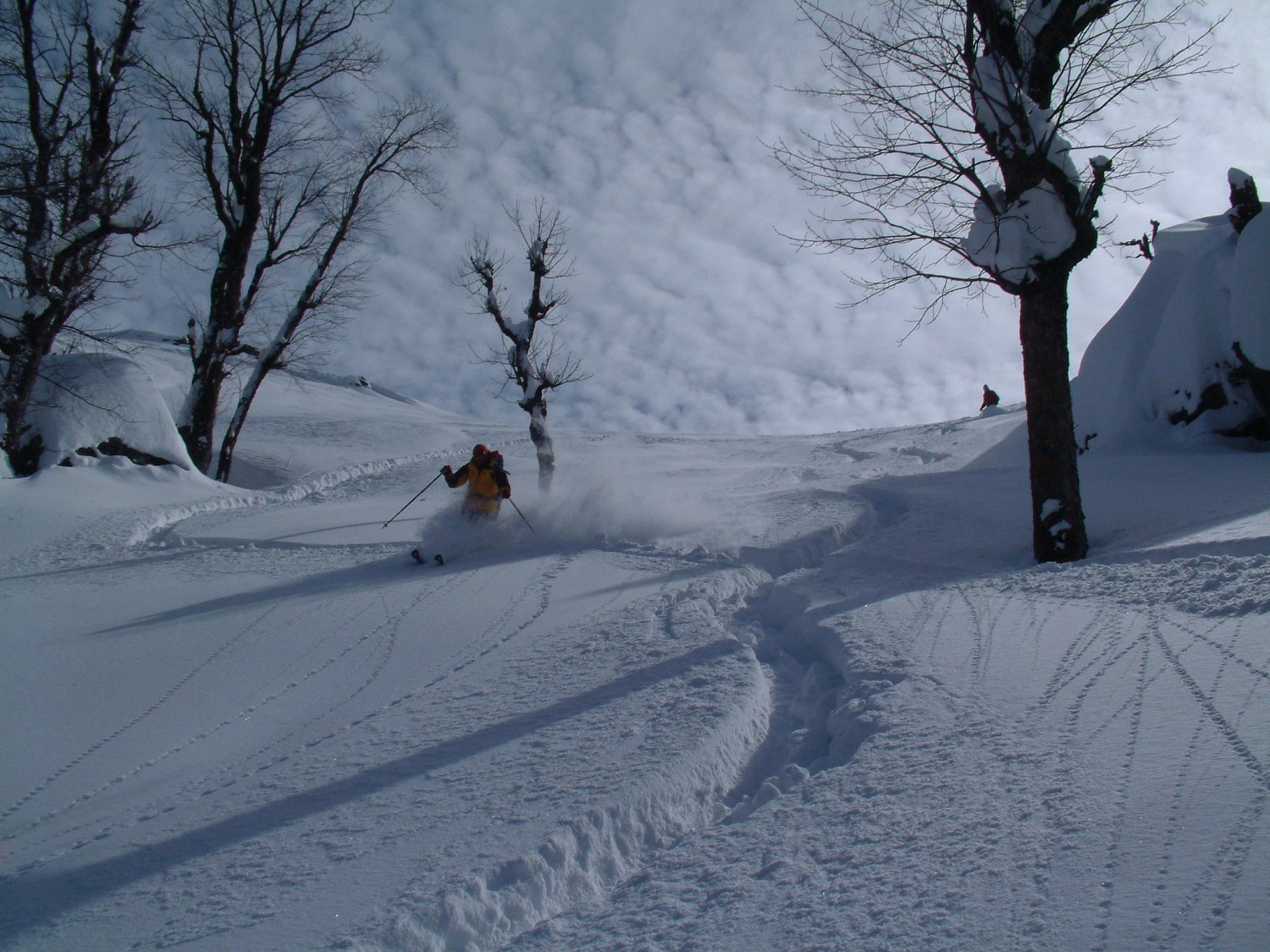
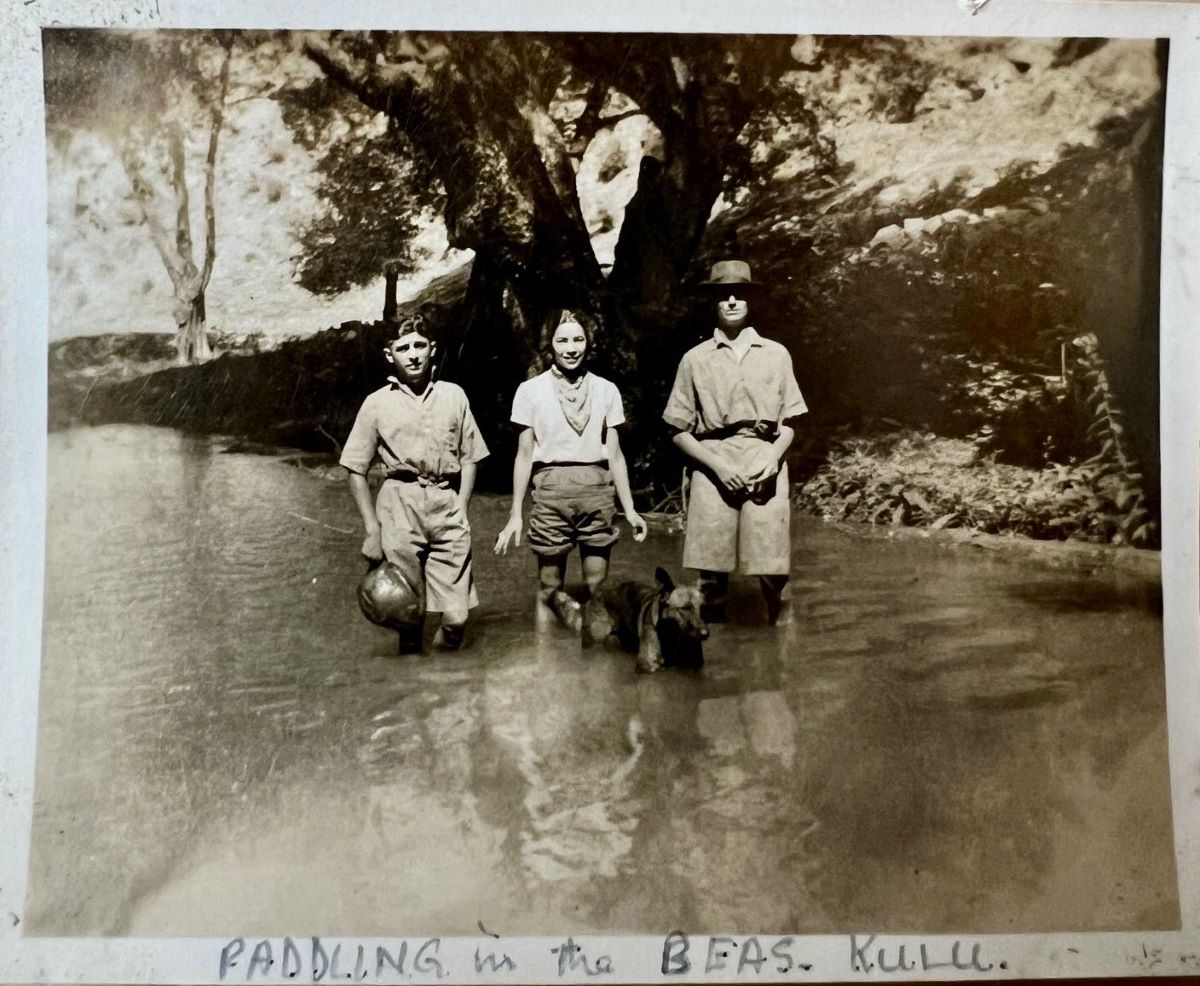
My experience became even more meaningful when I returned home and showed photographs to my late grandmother, who had lived in Delhi during the war.
During the sweltering summer months, she would escape the sweltering heat to the coolness of the mountains around Manali. Over a whisky and soda, we looked through photographs of her beside the Beas River and riding a donkey up towards the Rohtang Pass. Less than a week ago and some, 60 years later, I had been skiing in exactly the same mountains. There was something wonderfully circular about that.
The dream of an Indian heliski safari
When people ask me what my dream ski trip is (as they often do), India is never far from my thoughts. Together with Kamchatka, it is always the place that comes to mind.
But it’s not just about the skiing or even the place itself but also the type of trip that has always fascinated me — a ski safari, where you travel by helicopter and skis from one remote location to another, skiing new terrain and experiencing places that very few people ever reach, let alone ski.
In Kamchatka, I had been fortunate enough to take part in several such trips that stretched the boundaries of imagination and will forever be etched into the minds of those who took part. (link to Kuril Islands blog post). But an Indian heliski safari had always remained just that: an idea.
The seed was sewn in 2002 by the late Trevor Streat, a longtime heliski guide in Manali who had once flown over the slopes above Dharamshala and returned with stories of the incredible ski terrain he had seen along the way.
Since my first visit to Himachal Pradesh I had returned a few times, but like the other guides who had heard Trev’s stories, I kept dreaming of the still untouched slopes he had described, and of returning for a high altitude ski adventure.
These types of trips require a remarkable number of stars to align. And in March 2025, they finally did. What followed became not just one of the greatest ski adventures of my life but simply one of the greatest adventures. I will try to do it justice here but not sure words can.
The mountains were ready
The season had started short of snow: lots of sharky rocks and gouged out ski bases. But then the Himalayas did what they often do: delivered a lot of snow very quickly. Heavy snowfalls in the weeks before our arrival filled in the high mountains beautifully and as we approached the end of March, the forecast was turning towards sunshine.
Our team consisted of, six guides, four guests, two pilots (and helicopters) and a small army of local support crew
Flying at these higher altitudes, weight is everything. Helicopter loads were often restricted to just three skiers and everything had to be carefully calculated, moved and shuttled.
In the days before the guests arrived, the team had already been out recceing terrain and working through the logistics.
Day one - Rohtang
Our first morning was spent acclimatising close to base, skiing around the Rohtang Pass. I thought of my grandmother riding up on a donkey in warmer months as I looked at the buried road below.
There was some wind effect at the higher elevations, but generally the snow was excellent — boot-top powder beneath an intense Himalayan sun. It is always striking quite how powerful the sun is at these lower latitudes and higher elevations.
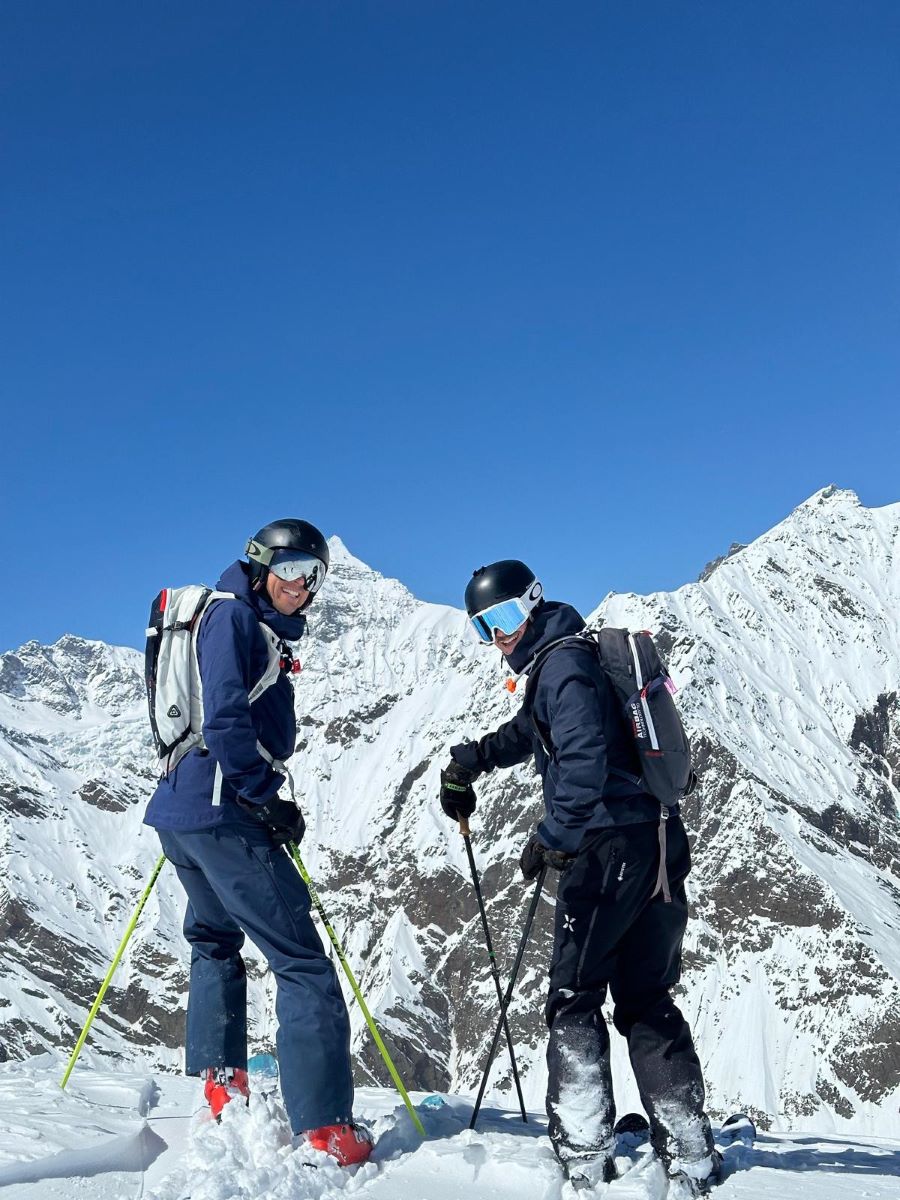
We spent the afternoon making multiple runs from around 4,800 metres, gradually getting our legs working and our bodies accustomed to the altitude. There were smiles all round and by the time we returned to base, our legs were suitably warmed up.
Back at base, bags were repacked and the logistics machine went into overdrive. Tomorrow, we would leave.
Into the unknown
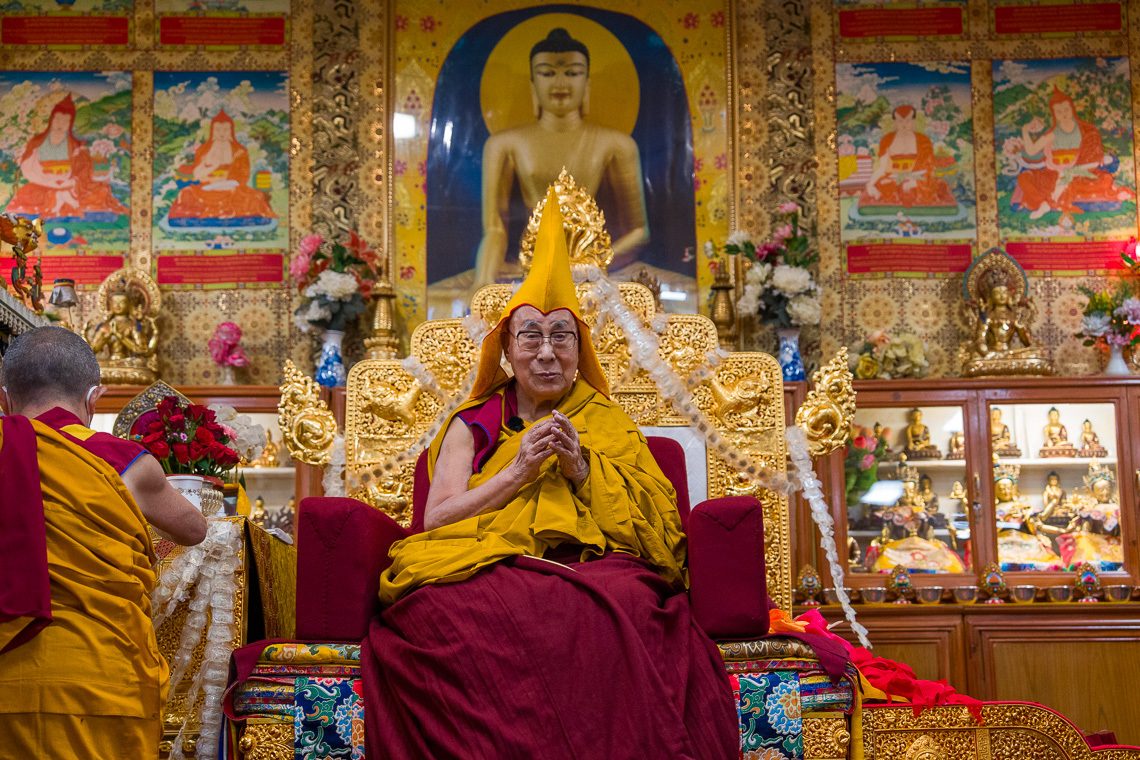
The plan was to fly roughly 100 kilometres west towards Dharamshala, ski terrain that had never seen a track and, if fortune favoured us, meet the Dalai Lama. Our good friend and local guide Chuni was a relative and was hopeful he could get us an audience with his Holiness.
The morning dawned cloudless and looking west, the weather appeared almost too good to be true.
What followed involved several helicopter shuttles carrying people, fuel and equipment before we finally found ourselves in Bara Bhangal, one of Himachal Pradesh's most remote inhabited villages.
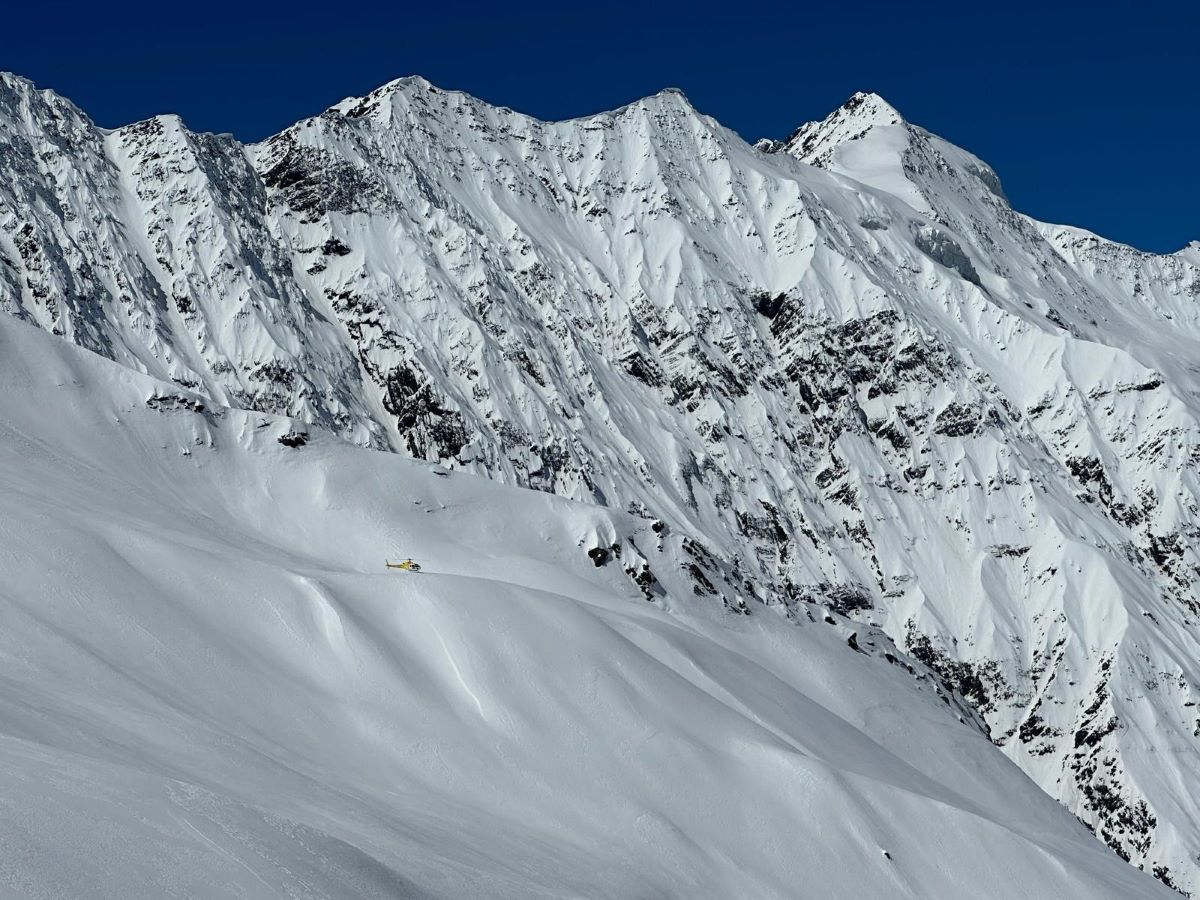
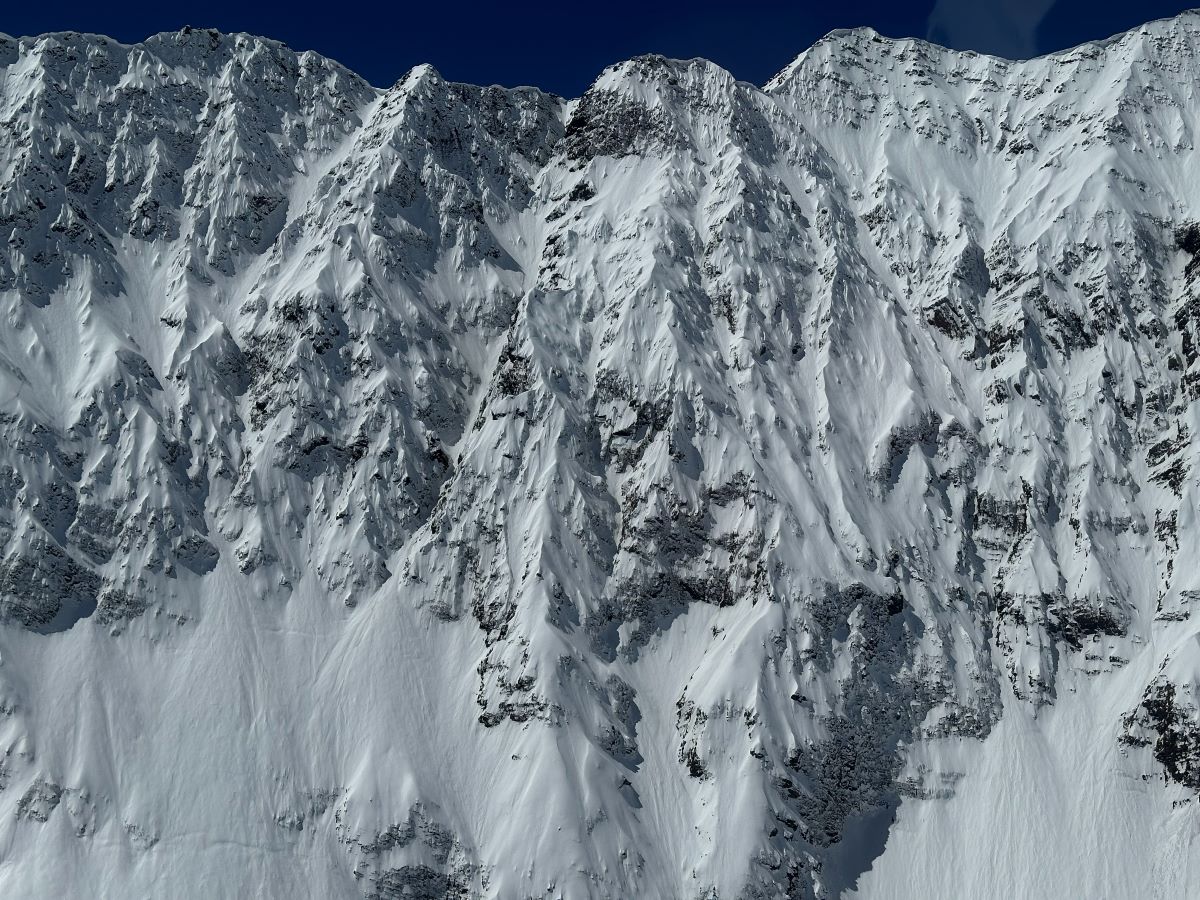
We skied several incredible runs on the way in — all first descents, all in exceptional snow.
Hidden deep in the Dhauladhar mountains and only accessible on foot via high passes, Bara Bhangal is home to a small community of Gaddi pastoralists, who have long followed a seasonal rhythm between the high valley and lower settlements, with the village effectively cut off by snow during winter. Surrounded by steep peaks, glaciers, alpine meadows and deep valleys, it remains a remarkably wild and isolated corner of the Himalayas where time has stood still.
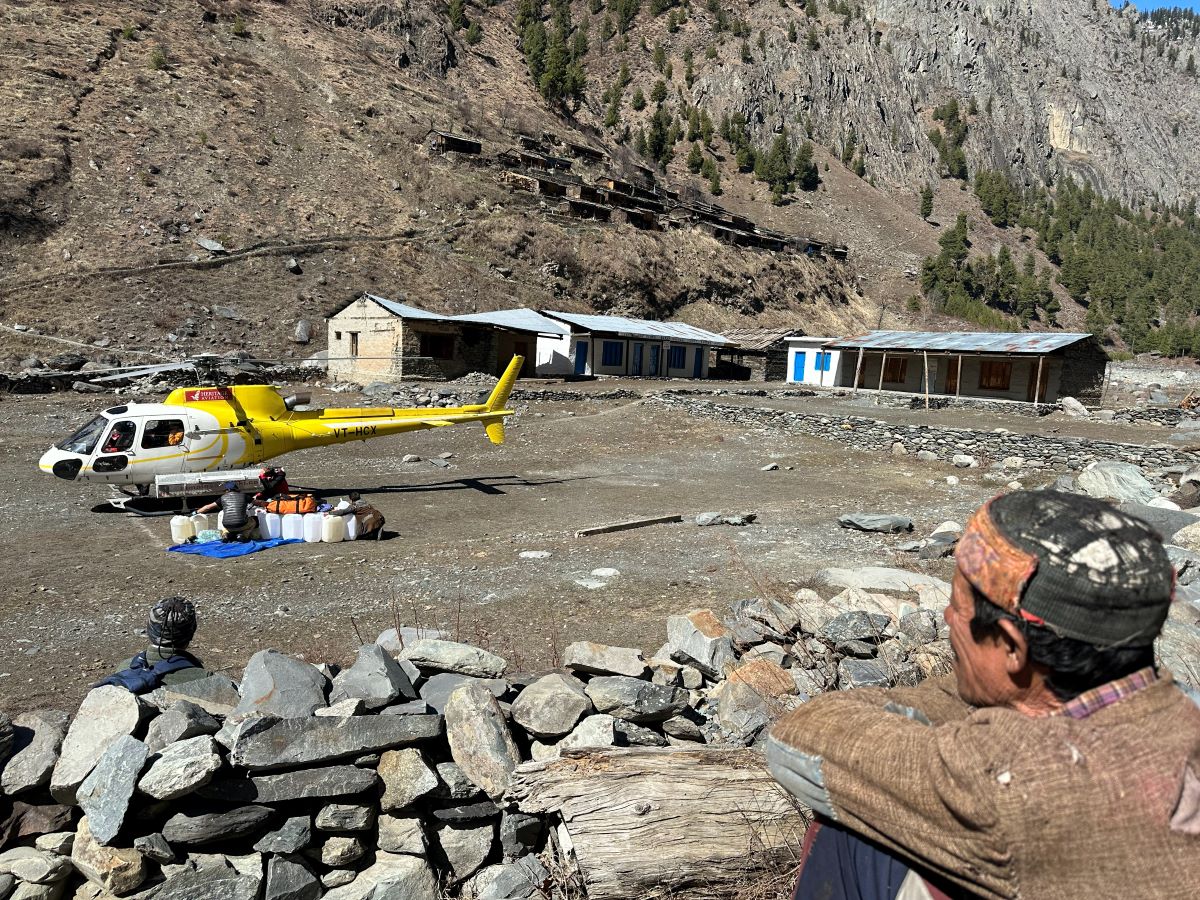
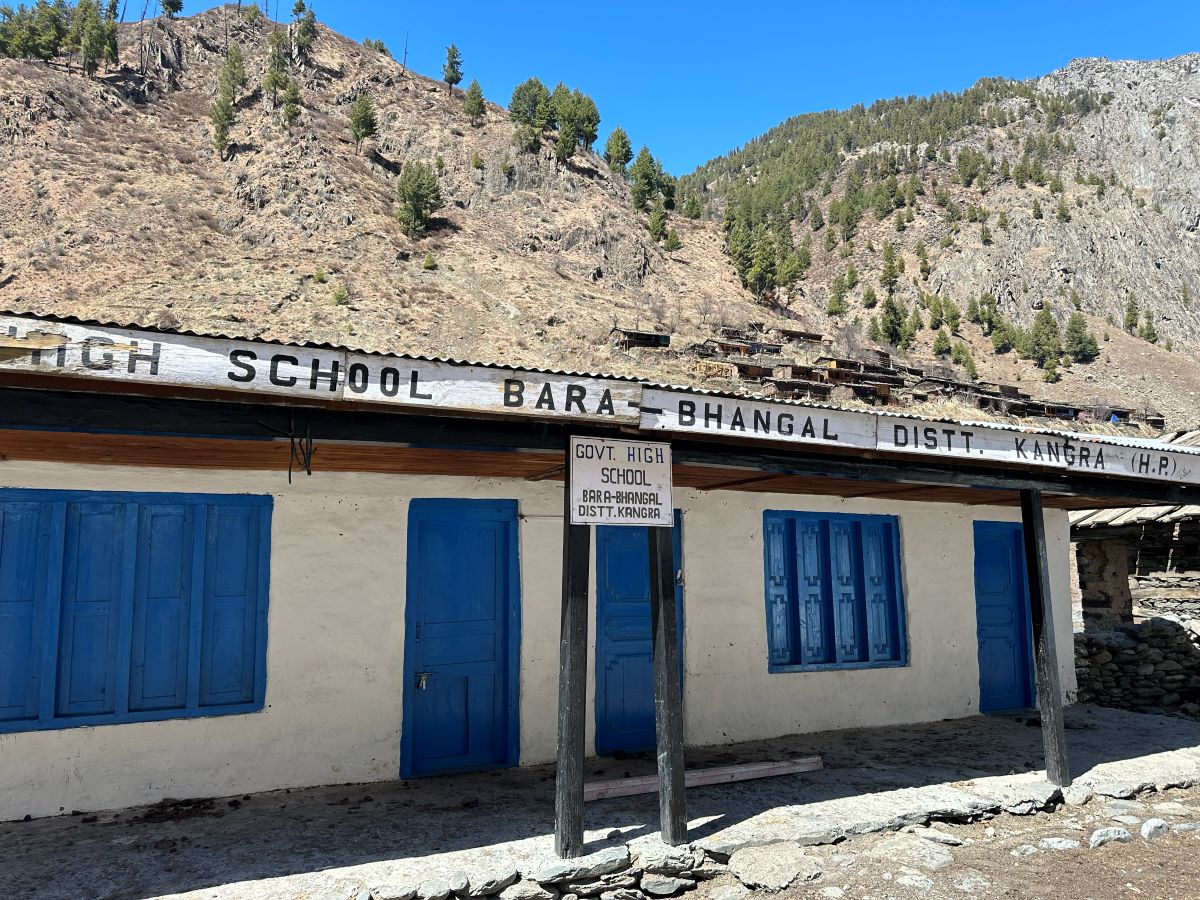
Our white faces, strange gait in plastic boots and brightly coloured clothes were no doubt, an alien concept. We refuelled the helicopters, crossed a rickety old bridge over the river and wandered into the mainly deserted village.
It was the first of many moments during the trip when life slowed down to an almost static pace. Nothing much else mattered but the here and now.
Eventually, we said goodbye to the small handful of bemused villagers and climbed back into the helicopters.
Untouched terrain
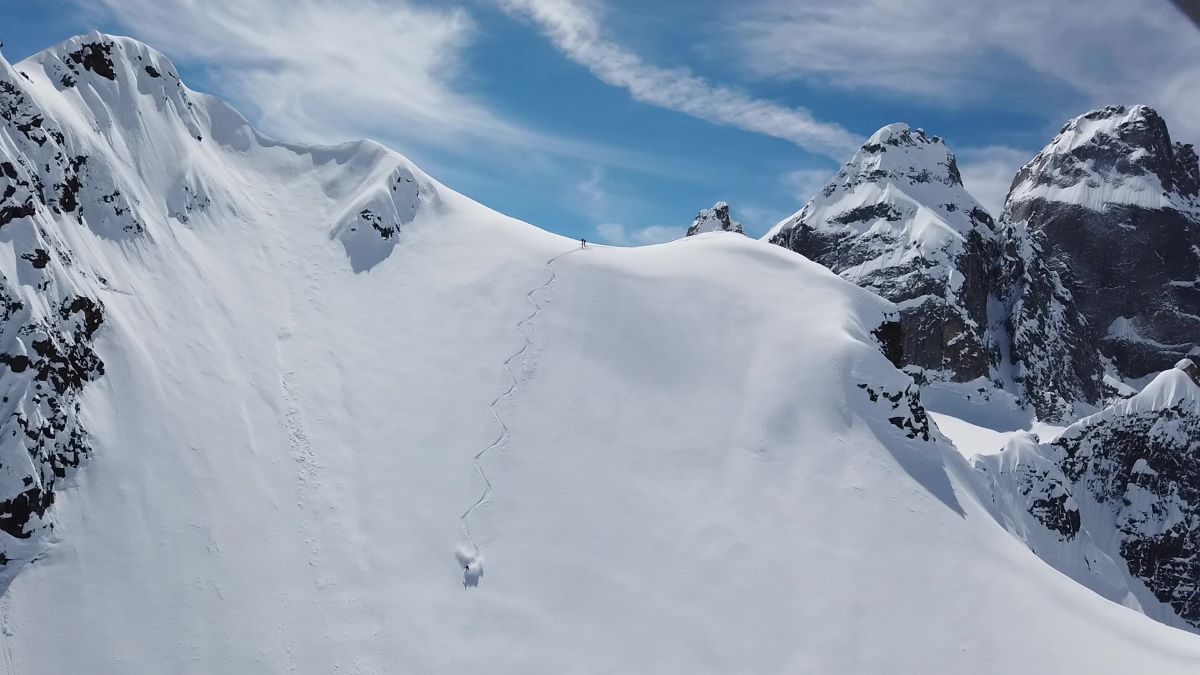
Soaring high above Dahamshala is a wall of 5,000m peaks. To the south they are jagged and rocky but the north facing slopes present and endless expanse of the most incredible heliski terrain imaginable. Run after run of perfectly pitched skiing that had never seen a ski track.
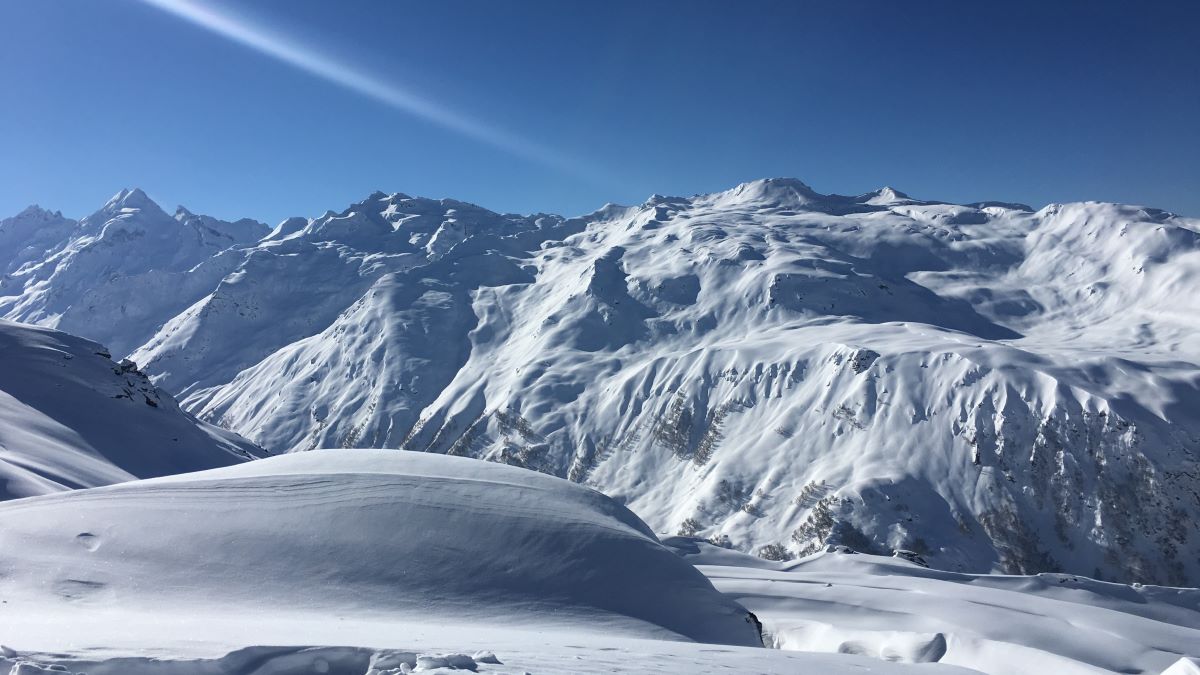
The snow was sensational - recrystalized powder between 5,000 and 4,000 metres so we kept more or less to this elevation band but could easily have doubled the length of run in colder temperatures.
Totally absorbed we skied until the fuel gauges sent us down to Dharmshala and another world some four vertical kilometres below.
We landed in a cloud of dust at the local cricket stadium, where we were greeted by young cricketers and uniformed police. Anything but discreet, our arrival made the front page of the local newspaper the following day.
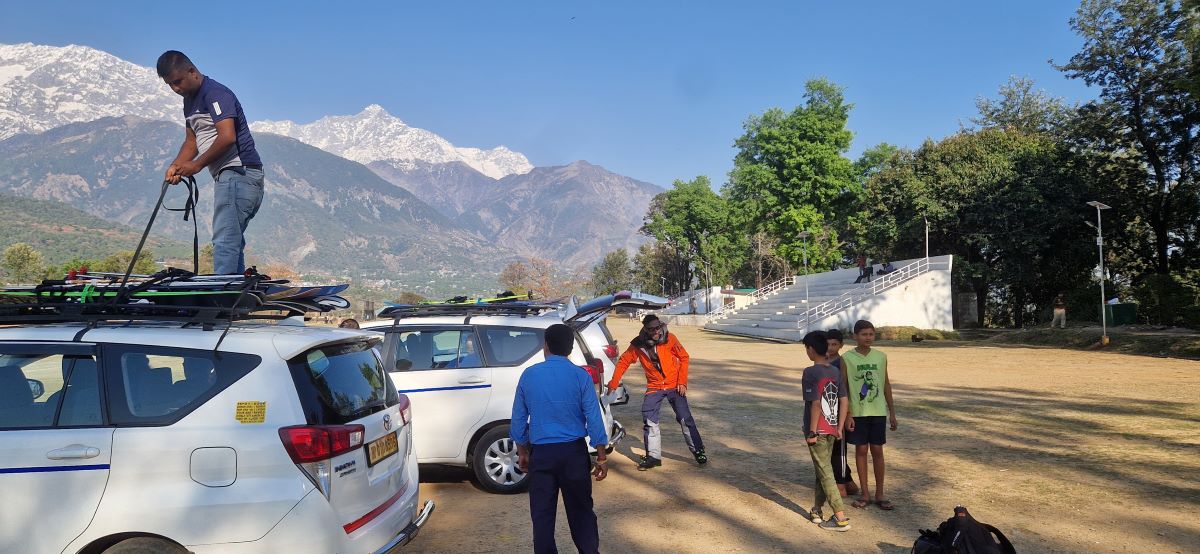
We loaded our gear into taxis and were soon winding our way up through Dharamshala's increasingly steep and forested hills, past the odd cow and up to the decadent Hyatt Regency hotel. It was 27°C and we were still wearing our ski gear.
From the Himalayas to the Hyatt
Dharamshala felt like a sparkling oasis. It was immediately striking how clean and fresh it felt compared with the other parts of India I had visited.
We walked through flower-filled gardens, past inquisitive monkeys, and checked in.
That evening the hotel bar filled with lively music and dancing, while an extraordinary spread of food appeared in front of us.
After a day of flying and skiing in some of the most spectacular mountains on earth, we ate surrounded by the aromas of Indian spices.
Back to the mountains
The following morning, we made our way back down to the cricket stadium but soon took refuge back in the cars as our helicopters arrived in immense clouds of dust.
We loaded up and climbed back towards the high mountains, making hard, ungraceful work of the ascent compared with the golden eagles and vultures effortlessly circling on the thermals around us.
Before long we were touching down high in the mountains. Surface hoar shimmered in the cool morning air – a relief from the dry, dusty heat below.
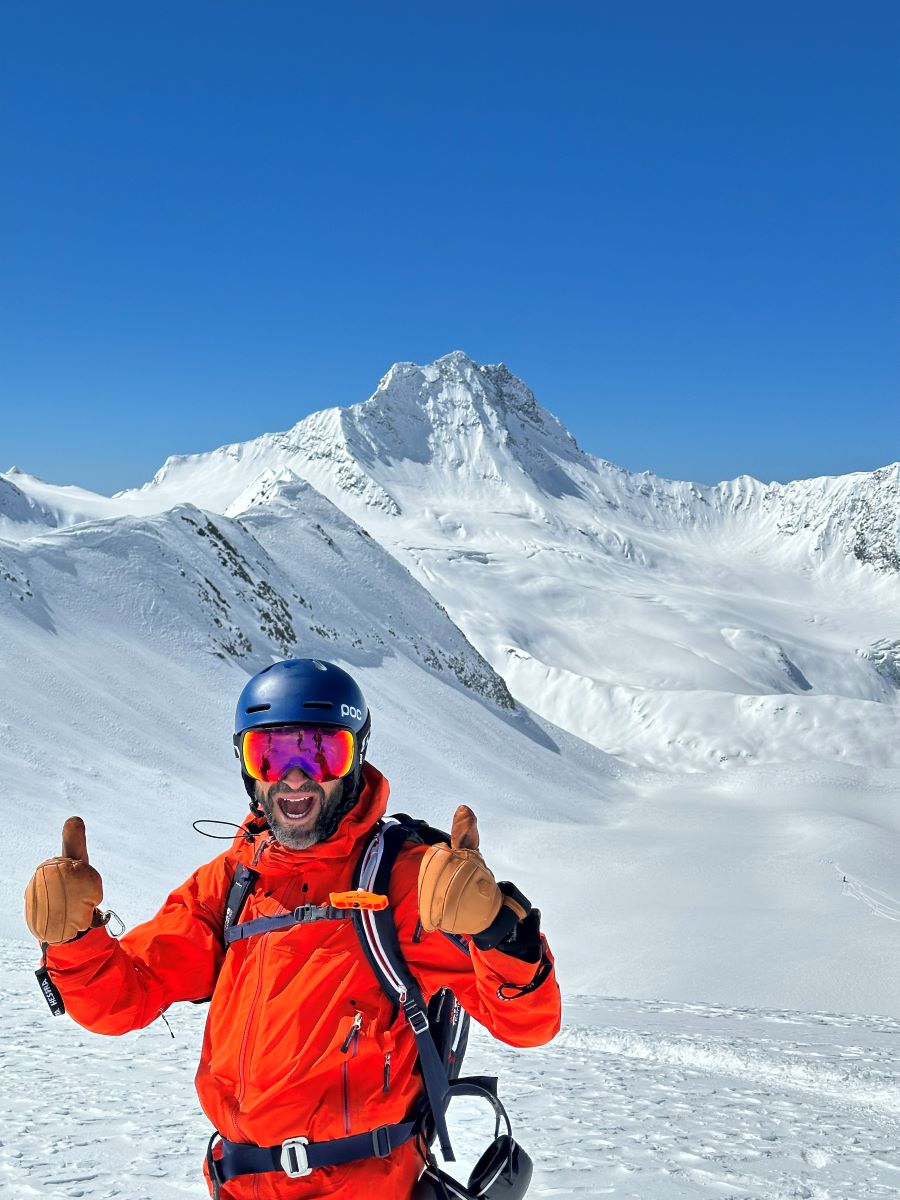
Expectations from the day before were through the roof and it was slightly disapointing to feel a slight wind effect in the snow that had not been there yesterday. The skiing was nonetheless sensational and we were getting spoilt. It was slightly warmer but playing with the aspect we found good snow with most runs descending to around 3,900 metres where the snow changed almost instantly and became sticky.
I couldn't help thinking how extraordinary it would be to ski some of these runs all the way to the bottom – like stacking two or three Canadian heliski runs on top of each other.
East into the Spiti Valley
With the weather still cooperating, we wanted to make the most of it and keep moving so instead of squeezing in a couple of extra runs, we headed back east towards Manali, refuelled both helicopters and skiers, and continued on the next leg of our adventure to the east into the Spiti Valley towards Kaza.
It was late in the day, so we did not push it and try to ski but we scoped out some incredible looking lines on the way for the following day.
As we travelled deeper into the vast valley, the landscape became progressively drier. Glued to the helicopter windows and squinting through the intense light, we saw ancient Tibetan monasteries perched high on the mountainsides — seemingly carved directly from the rock.
The snow leopard
During the planning stages, there had been a lot of talk about Kaza being a hotspot for snow leopard sightings.
The stories became even more enthusiastic in the days before we arrived, reaching somewhat of a climax upon arrival. I was sceptical to say the least. I didn’t know much about snow leopards but was fairly experienced with Indian enthusiasm.
It had taken David Attenborough and his team two years to find a snow leopard on the BBC. Two years!
We arrived at the local 'airport' and were met by smiling locals, who loaded us into pickup trucks and drove us to our Tibetan guesthouse at around 3,600 metres - the best hotel in town.
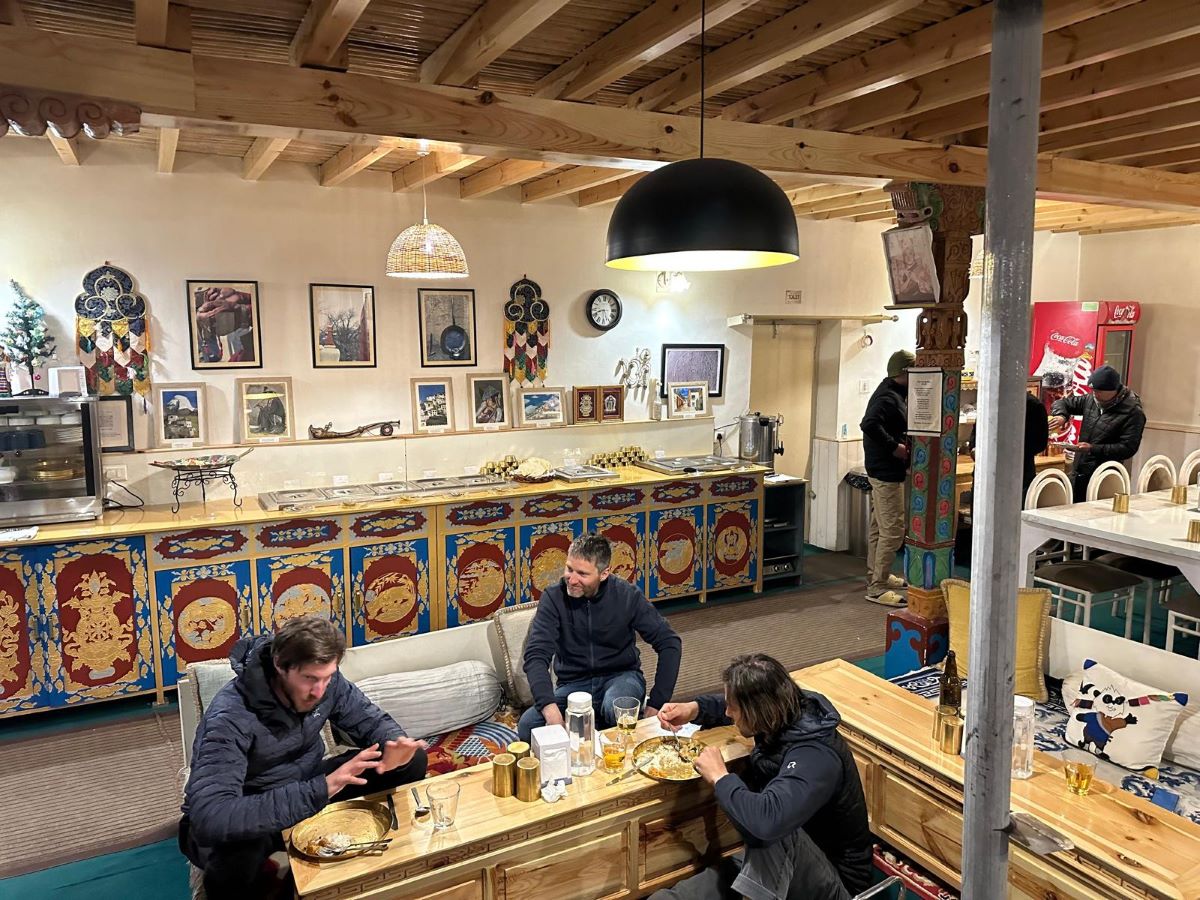
We walked down a corridor with large windows covered in transparent plastic sheeting. At the end were double doors. We ducked through them and entered a wonderfully cosy room centred around a wood-burning stove, with cushions on the floor and Buddhist chanting playing softly through hidden speakers.
Images of the Dalai Lama looked down from the walls as we sat cross-legged, drank chai, silently agreeing that this was one of the coolest places - and experiences — any of us had ever had.
We were reunited with our wide-eyed ground crew who had driven the fuel truck for 18 hours overnight from Manali, stopping only when a snow leopard ran across the road in front of them in the early hours of the morning. Clearly, hallucinating!
After another cup of tea, we piled into 4x4s and headed up the valley to search for the mythical snow leopard. It was pretty inviting to stay by the fire drinking tea especially with self-assessed odds of sighting a snow leopard effectively zero, but I feigned enthusiasm and off we went.
Thirty-five minutes of skimming along the edge of precipitous mountain roads, we parked and walked a short distance down to edge of a canyon where a small handful of people were gathered.
Within half an hour I was looking at a real, live snow leopard. One of life’s great unexpected surprises!
We stayed until darkness and the cold eventually forced us to leave.
Under a bright moon and a sky thick with stars, we made our way back towards Kaza, even managing a memorable face-off with a tow truck coming the other way on the narrow mountain road.
Back at the guesthouse, the comforting smell of wood smoke and warm spices filled the rooms. And, demonstrating once again that almost anything is possible in the Himalayas, our resourceful host even produced a crate of beer.
When the weather changes the plan
Sleeping at altitude is seldom a particularly restful exercise – particularly wrapped in a questionably wired electric blanket. There were some weary faces at breakfast the next morning.
For the first time, the weather was beginning to throw some complication into our programme.
Nothing dramatic but some cloud was forecast, something we had to be conscious of because our route back towards Manali involved crossing a high pass. If cloud moved in and blocked the way, we could find ourselves stranded on the wrong side of the mountains. And this is one of the fundamental realities of an adventure like this. Nature will always have the final say.
To err on the side of caution, we decided to head back to within easy reach of the pass and ski some of the runs we had spotted yesterday. There was more snow in that direction anyway and if the weather showed signs of closing in, we could make a quick jump back over the pass.
The mountains here were vast and with no wooded valleys visible below, it felt high. To save weight, we reduced to loads of three plus pilot and made several landings at around 5,200 metres from where we made yet more first descents. Runs were named and memories were made.
To be continued...
Some trips are measured in vertical metres. Some in first descents. Some in the number of places you can tick off a map. This one was different.
It was measured in moments: sitting in the sunshine in Bara Bhangal; landing a helicopter in a cricket stadium; drinking chai in a Tibetan guest house at 3,600 metres; watching ancient monasteries emerge from the Spiti landscape; and, of course, standing on the edge of a canyon staring at a snow leopard we had no real expectation of ever seeing.
This was the Indian ski safari I had been dreaming about since 2002. It is rare that stars align quite so perfectly but if you don’t try, they never will. I will certainly be trying again!


